
54. AC Load Relay Selection
1. Component Purpose
The controller runs on low voltage (3.3V/5V logic), but the lamp runs on 230VAC mains. Direct connection would destroy the controller and create a lethal shock hazard.
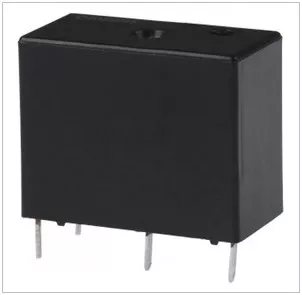
A relay provides complete electrical isolation. The low-voltage side energizes the coil; the high-voltage side switches the lamp through mechanically isolated contacts. The two sides share no electrical connection.
Required: General Purpose · 12VDC coil · SPST-NO or SPDT · ≥5A contacts · 230VAC rated · Non Latching · Through Hole · Safety approved
2. How to Find It on DigiKey
Go to DigiKey.com → Relays → Power Relays
Apply these filters:
- Coil Voltage → 12VDC
- Contact Form → SPST-NO (1 Form A) or SPDT (1 Form C)
- Contact Rating (Current) → 5A or higher
- Coil Type → Non Latching
- Mounting Type → Through Hole
- Termination Style → PC Pin
- Part Status → Active
Important: Always check the relay datasheet for the maximum switching voltage — not just the current rating. A relay rated 10A at 30VDC may NOT be rated for 230VAC. Look for 250VAC (or higher) in the AC switching specifications.
3. Key Specifications & What They Mean
| Specification | Required | Why |
|---|---|---|
| Coil Voltage | 12VDC | Must match driver circuit supply. |
| Contact Form | SPST-NO or SPDT | Only NO switching needed; SPDT also works. |
| Contact Current | ≥5A | Load is 2A; ≥5A gives derating margin. |
| Switching Voltage | 230VAC rated | Contacts must be rated for mains voltage. |
| Coil Type | Non Latching | De-energizes when control is removed. |
| Mounting | Through Hole, PC Pin | Standard PCB relay mounting. |
| Temp Range | −40°C to +85°C | Indoor industrial panel conditions. |
| Safety Approval | cURus / UL | Required for mains voltage switching. |
4. Selecting a Safe, Production-Ready Part
The filtered list will show matching parts. Before you pick one, check: Is it Active? Is stock available? Is the manufacturer reputable? Is a datasheet available?
Full checklist: How to Select a Safe, Production-Ready Component — EWskills Guide
5. Filtered DigiKey Link
➡ View Matching Parts — 12VDC Coil, SPST-NO/SPDT, ≥5A, 250VAC, Through Hole