
42. Automotive Status LED Selection
1. Component Purpose
Under-hood automotive environments are extremely harsh: temperatures can range from −40°C to +125°C or higher, with vibration, moisture, and thermal cycling. A standard LED rated to +85°C would fail quickly in this environment.
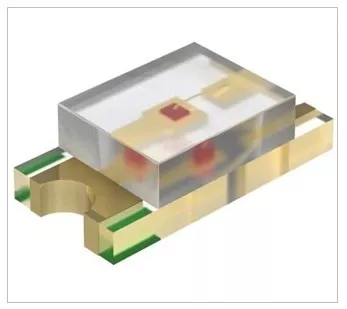
This task requires a red fault-indication LED that maintains brightness and reliability across the full automotive temperature range. The wider temperature rating (−40°C to +125°C) is the key differentiator from standard industrial LEDs.
Required: Red · 1206 · SMD · Vf 1.8–2.4V · 20mA · ≥50mcd · ≥100° viewing · −40°C to +125°C · RoHS
2. How to Find It on DigiKey
Go to DigiKey.com → Optoelectronics → LED Indication - Discrete
Apply these filters:
- Color → Red
- Package / Case → 1206 (3216 Metric)
- Millicandela Rating → 50mcd or higher
- Viewing Angle → 100° or wider
- Mounting Type → Surface Mount
- Part Status → Active
Then verify in each part’s datasheet that the operating temperature range extends to +125°C or higher. DigiKey’s filter may not always let you filter by an exact temperature range.
Tip: Look for LEDs specifically marketed for automotive (AEC-Q102 qualified) applications. These are tested for thermal cycling, humidity, and vibration beyond what standard industrial LEDs undergo.
3. Key Specifications & What They Mean
| Specification | Required | Why |
|---|---|---|
| Color | Red | Standard for fault/warning in vehicles. |
| Package | 1206 | Easy assembly; visible indicator size. |
| Forward Voltage | 1.8V to 2.4V | Standard red LED range. |
| Test Current | 20mA | Standard drive for full brightness. |
| Luminous Intensity | ≥50mcd | Visible in under-hood and dashboard areas. |
| Viewing Angle | ≥100° | Wide visibility. |
| Temp Range | −40°C to +125°C | Automotive under-hood requirement. |
| RoHS | Yes | Compliance required. |
4. Selecting a Safe, Production-Ready Part
The filtered list will show matching parts. Before you pick one, check: Is it Active? Is stock available? Is the manufacturer reputable? Is a datasheet available?
Full checklist: How to Select a Safe, Production-Ready Component — EWskills Guide
5. Filtered DigiKey Link
➡ View Matching Parts — Red, 1206, ≥50mcd, ≥100°, Automotive Temp Range