30. TVS Diode for RS-485 Communication Bus Protection
1. Component Purpose
RS-485 bus lines running across factory floors pick up ESD, surge transients, and ground potential differences. A bidirectional TVS on each bus line is needed because RS-485 signals swing both positive (−70V to +12V range).
Standoff 12–15V is above the normal bus range. Clamping ≤30V is within the transceiver’s transient survival rating.
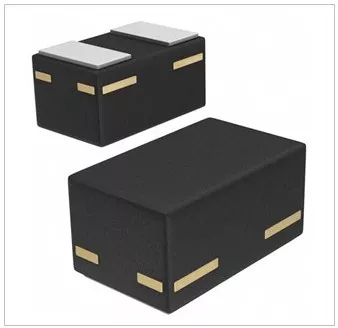
Required: Bidirectional · Vstandoff 12–15V · Vclamp ≤30V · ≥200W · ≤50pF · SOD-882 · Littelfuse
2. How to Find It on DigiKey
Go to DigiKey.com → Circuit Protection → TVS - TVS Diodes
Apply these filters:
- Bidirectional Channels → 1
- Voltage - Reverse Standoff (Typ) → 12V to 15V range
- Capacitance → 50pF or lower
- Package / Case → SOD-882
- Manufacturer → Littelfuse Inc.
- Part Status → Active
Tip: For RS-485, the GDT (Task from GDT solutions) handles high-energy lightning surges as primary protection. The TVS here handles fast, lower-energy transients as secondary protection.
3. Key Specifications & What They Mean
| Specification | Required | Why |
| Direction | Bidirectional | RS-485 signals are bipolar (−7V to +12V). |
| Standoff Voltage | 12–15V | Above RS-485 operating range. |
| Clamping Voltage | ≤30V | Within transceiver transient rating. |
| Peak Pulse Power | ≥200W | Handles industrial transients. |
| Capacitance | ≤50pF | Acceptable for typical RS-485 baud rates. |
| Package | SOD-882 | Compact; fits near transceiver. |
| Manufacturer | Littelfuse | Company AVL. |
| RoHS | Yes | Compliance required. |
4. Selecting a Safe, Production-Ready Part
The filtered list will show matching parts. Before you pick one, check: Is it Active? Is stock available? Is the manufacturer reputable? Is a datasheet available?
Full checklist: How to Select a Safe, Production-Ready Component — EWskills Guide
5. Filtered DigiKey Link
➡ View Matching Parts — Littelfuse, Bidirectional TVS, 12–15V, ≤50pF, SOD-882