19. Boost Converter Inductor Selection
1. Component Purpose & Current Calculation
A boost converter steps voltage up — from 3.7V (Li-ion battery) to 12V. The inductor stores energy from the low-voltage input during the switch ON phase, then releases it at a higher voltage during the switch OFF phase.
Key point: in a boost converter, the inductor is on the input side, so it carries the input current — which is higher than the output current.
Input Current Estimation:
Output power = 12V × 0.5A = 6W
Assuming ~85% converter efficiency:
Input current = 6W / (3.7V × 0.85) = ~1.9A average
With ripple current added, peak inductor current can reach ~2.5A or more.
This is why the task requires ≥3A current rating and ≥3.5A saturation — even though the output is only 0.5A.
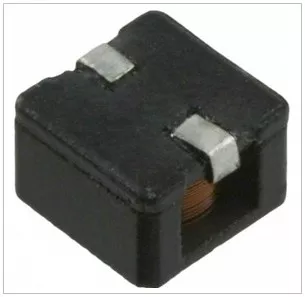
Required: 10µH · ±20% · Irms ≥3A · Isat ≥3.5A · DCR ≤100mΩ · Shielded · SMD · −40°C to +125°C · RoHS
2. How to Find It on DigiKey
Go to DigiKey.com → Inductors, Coils, Chokes → Fixed Inductors
Apply these filters:
- Inductance → 10µH
- Current Rating (Amps) → 3A or higher
- Current - Saturation (Isat) → 3.5A or higher
- DC Resistance (DCR) → 100mΩ or lower
- Shielding → Shielded
- Type → Wirewound
- Mounting Type → Surface Mount
- Part Status → Active
Tip: For battery-powered designs, lower DCR is especially important. Every milliohm of resistance wastes power from the already limited battery supply.
3. Key Specifications & What They Mean
| Specification | Required | Why |
|---|---|---|
| Inductance | 10µH | Sets boost converter switching behavior. |
| Tolerance | ±20% | Standard for power inductors. |
| Current Rating (Irms) | ≥3A | Input current is ~1.9A; margin for heating. |
| Saturation Current | ≥3.5A | Peak current with ripple can reach ~2.5A. |
| DC Resistance (DCR) | ≤100mΩ | Minimizes I²R loss; critical for battery life. |
| Type | Shielded Wirewound | Shielded reduces EMI from switching noise. |
| Temp Range | −40°C to +125°C | Industrial range. |
| RoHS | Yes | Compliance required. |
Important: In boost converters, always size the inductor for the input current, not the output current. The input current is always higher because the input voltage is lower (power is conserved: Pin = Pout / efficiency).
4. Selecting a Safe, Production-Ready Part
The filtered list will show matching parts. Before you pick one, check: Is it Active? Is stock available? Is the manufacturer reputable? Is a datasheet available?
Full checklist: How to Select a Safe, Production-Ready Component — EWskills Guide
5. Filtered DigiKey Link
➡ View Matching Parts — 10µH, Shielded, ≥3A, Isat ≥3.5A, DCR ≤100mΩ