
18. Buck Converter Inductor Selection
1. Component Purpose
In a buck converter, the inductor is the core energy-storage element. During each switching cycle, the switch connects the input to the inductor, which stores energy in its magnetic field. When the switch turns OFF, the inductor releases this stored energy to the output.
The inductor smooths the pulsed current into a steady DC output. Without it, the output would be a noisy, pulsed waveform instead of a clean 5V DC rail.
Two critical current specs define whether the inductor works safely:
• Current Rating (Irms): the continuous RMS current the inductor can carry without overheating. Must exceed the DC load current (2A).
• Saturation Current (Isat): the peak current at which the inductor’s core saturates and inductance drops sharply. Must exceed the peak inductor current (DC load + half the ripple current). If exceeded, the inductor loses its ability to store energy and the converter fails.
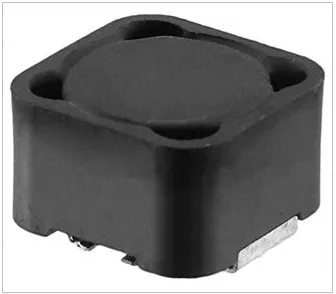
Required: 22µH · ±20% · Irms ≥3A · Isat ≥3.5A · DCR ≤120mΩ · Shielded · SMD · −40°C to +125°C · RoHS
2. How to Find It on DigiKey
Go to DigiKey.com → Inductors, Coils, Chokes → Fixed Inductors
Apply these filters:
- Inductance → 22µH
- Current Rating (Amps) → 3A or higher
- Current - Saturation (Isat) → 3.5A or higher
- DC Resistance (DCR) → 120mΩ or lower
- Shielding → Shielded
- Type → Wirewound
- Mounting Type → Surface Mount
- Part Status → Active
Tip: On DigiKey, "Current Rating" usually refers to the thermal (Irms) rating, while "Current - Saturation" is a separate filter. Make sure to check both.
3. Key Specifications & What They Mean
| Specification | Required | Why |
|---|---|---|
| Inductance | 22µH | Sets ripple current and converter response. |
| Tolerance | ±20% | Standard for power inductors. |
| Current Rating (Irms) | ≥3A | Load is 2A; margin for continuous heating. |
| Saturation Current | ≥3.5A | Must exceed peak current to avoid core saturation. |
| DC Resistance (DCR) | ≤120mΩ | Lower DCR = less I²R power loss and heat. |
| Type | Shielded Wirewound | Shielded reduces EMI radiated to nearby circuits. |
| Temp Range | −40°C to +125°C | Industrial range; inductor runs hot. |
| RoHS | Yes | Compliance required. |
Important: Always check both Irms and Isat ratings. An inductor can have a high Irms (thermal) rating but a low Isat value — meaning it overheats slowly but saturates quickly. Both must have adequate margin.
4. Selecting a Safe, Production-Ready Part
The filtered list will show matching parts. Before you pick one, check: Is it Active? Is stock available? Is the manufacturer reputable? Is a datasheet available?
Full checklist: How to Select a Safe, Production-Ready Component — EWskills Guide
5. Filtered DigiKey Link
➡ View Matching Parts — 22µH, Shielded, ≥3A, Isat ≥3.5A, DCR ≤120mΩ