
13. Regulator Input Bulk Capacitor
1. Component Purpose
A 5V voltage regulator converts the 12V adapter input down to a stable 5V for the embedded board. When the board’s load changes (e.g., an MCU wakes up, a radio transmits), the regulator needs to respond quickly.
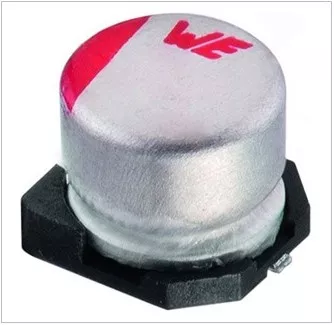
A 47µF bulk capacitor at the regulator input smooths the incoming 12V, reduces input ripple, and provides a local energy buffer so the regulator can respond to load transients without the input rail sagging.
Most regulator datasheets specifically require input and output capacitors for stable operation. Always check the datasheet for recommended capacitor values.
Required: 47µF · ±20% · Aluminum Electrolytic · ≥25V · SMD · −40°C to +105°C · RoHS
2. How to Find It on DigiKey
Go to DigiKey.com → Capacitors → Aluminum Electrolytic Capacitors
Apply these filters:
- Capacitance → 47µF
- Voltage Rated → 25V or higher
- Mounting Type → Surface Mount
- Part Status → Active
Tip: A 25V capacitor on a 12V rail gives about 2× voltage margin, which is a practical and safe derating for electrolytic capacitors.
3. Key Specifications & What They Mean
| Specification | Required | Why |
|---|---|---|
| Capacitance | 47µF | Smooths 12V input; buffer for load changes. |
| Tolerance | ±20% | Standard for electrolytic capacitors. |
| Type | Aluminum Electrolytic | Cost-effective for bulk capacitance. |
| Voltage Rating | ≥25V | Input is 12V; 25V gives ~2× derating. |
| Mounting | Surface Mount | SMD for automated assembly. |
| Temp Range | −40°C to +105°C | Standard industrial range for electrolytics. |
| RoHS | Yes | Compliance required. |
Tip: Always check your regulator’s datasheet for minimum input capacitance requirements. Some regulators need specific ESR ranges to remain stable.
4. Selecting a Safe, Production-Ready Part
The filtered list will show many matching parts. Before you pick one, check: Is it Active? Is stock available? Is the manufacturer reputable? Is a datasheet available?
Full checklist: How to Select a Safe, Production-Ready Component — EWskills Guide
5. Filtered DigiKey Link
➡ View Matching Parts — 47µF, Aluminum Electrolytic, SMD, ≥25V